

BUILT FOR SUSTAINABILITY
At BLR, sustainability is about more than meeting standards - it’s about building with foresight and care for the communities we serve.
Every decision we make, from the materials we source to the methods we use, reflects our responsibility to the environment and the people who live within it.
We’re committed to reducing our impact and creating positive, lasting outcomes through smarter design, circular material use, and energy-efficient construction practices.
Guided by ISO 14001 standards and a clear emissions reduction policy, our approach combines practical action with long-term vision: to build infrastructure that supports both progress and preservation.
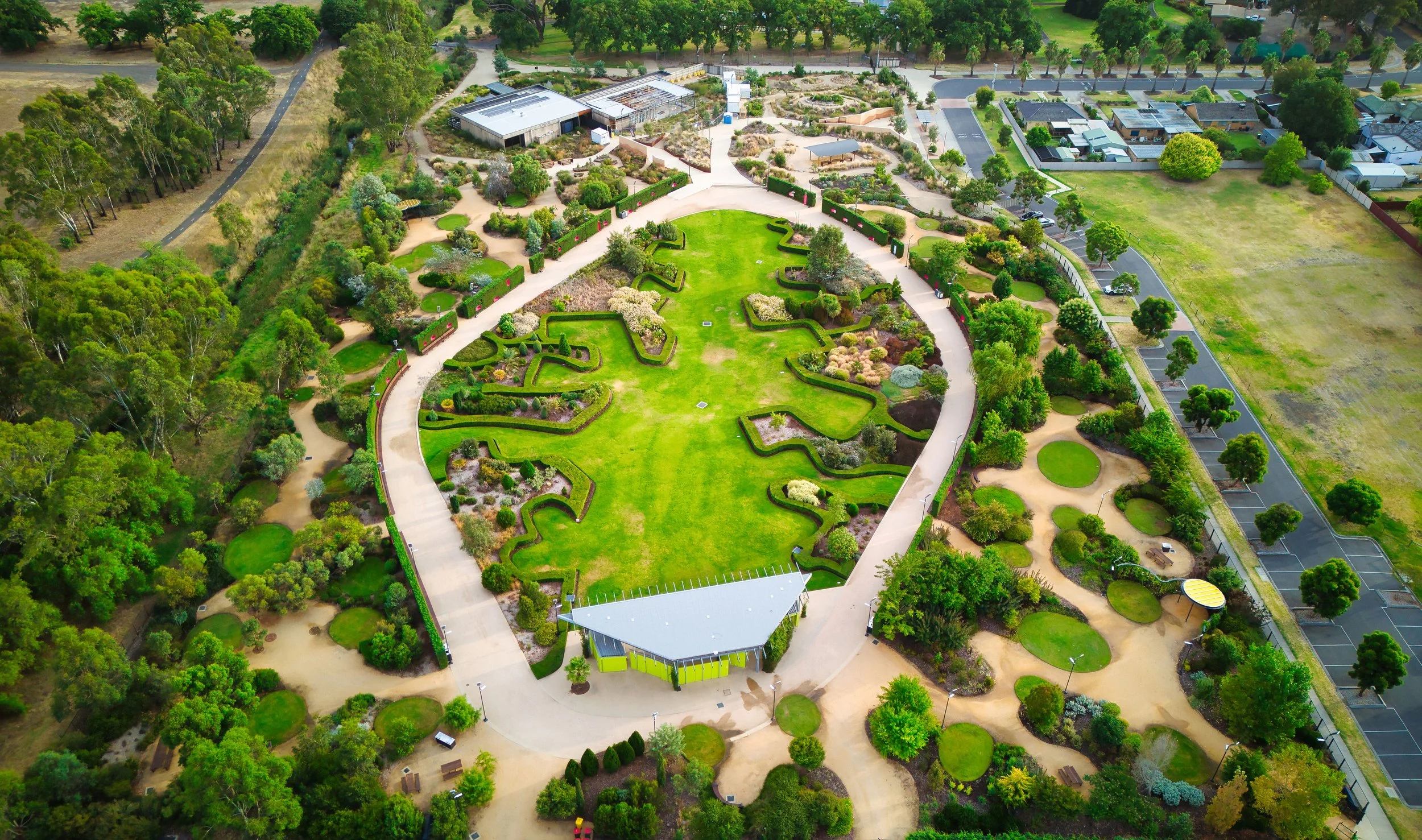
TURNING SUSTAINABILITY INTO ACTION
At BLR, sustainability is built into the way we plan, procure, and deliver every project. Our environmental framework aligns with ISO 14001:2015, ensuring that every site, system, and supplier decision contributes to a lower-impact, higher-value outcome for people and planet.
Our sustainability commitments are governed by five core initiatives that translate our policies into measurable action:
-
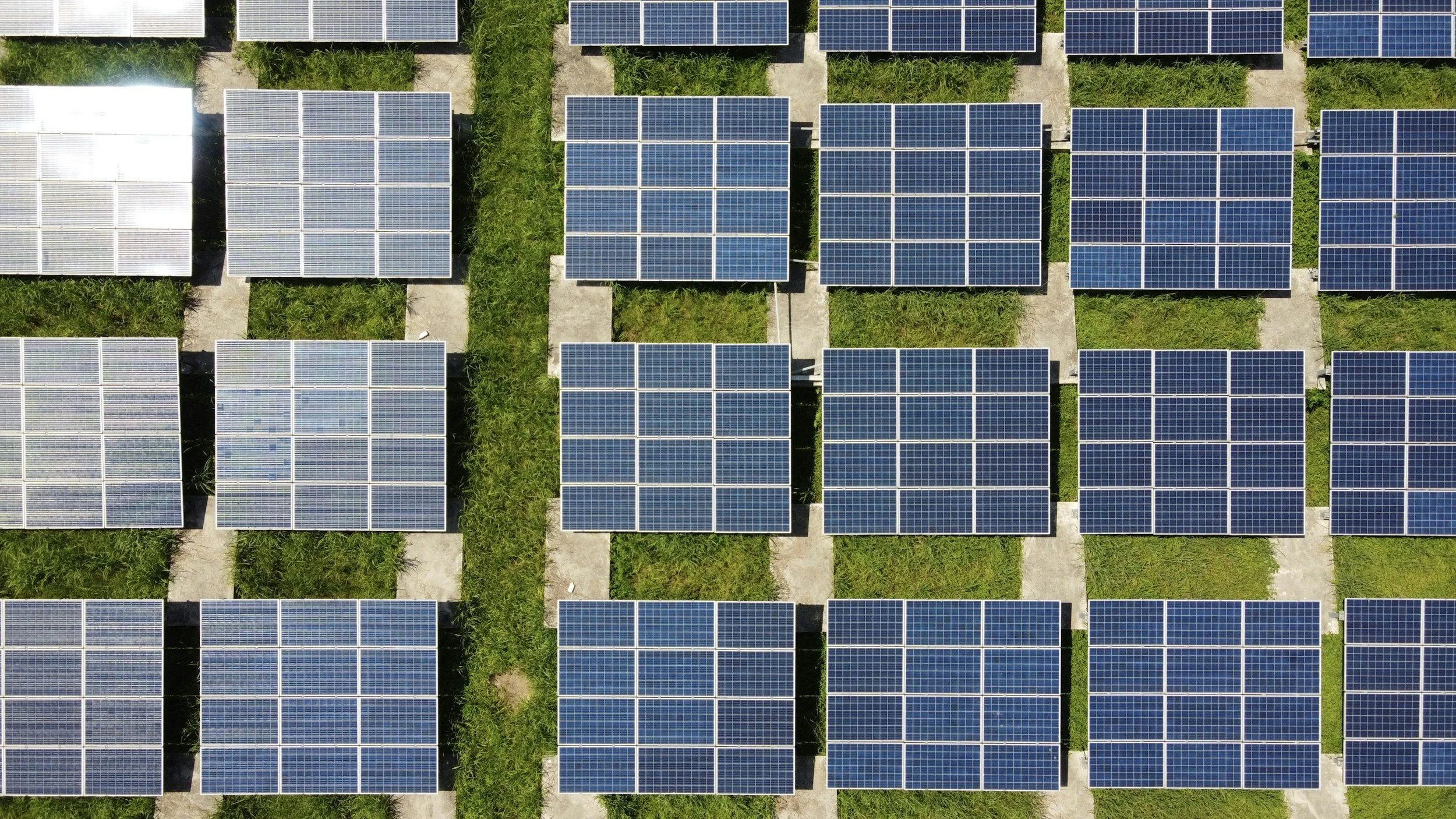
1. CARBON REDUCTION & ENERGY EFFICIENCY
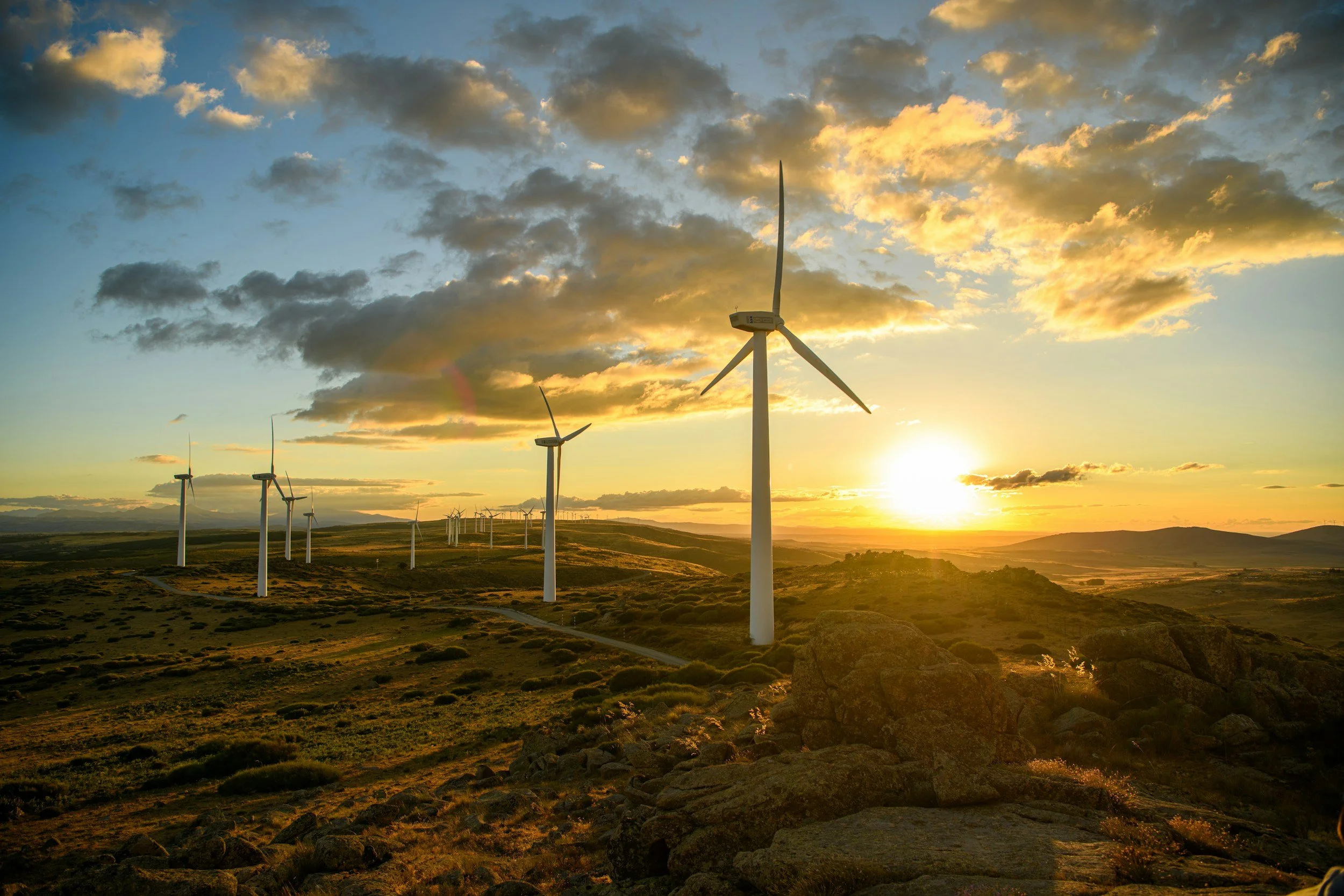
We’re targeting a 20% reduction in carbon emissions by 2030, guided by our Carbon Emission Reduction Policy. This includes transitioning our fleet to low-emission vehicles, improving energy efficiency across sites and offices, and increasing the use of renewable power. Every project is an opportunity to build smarter, cleaner, and leaner.
-
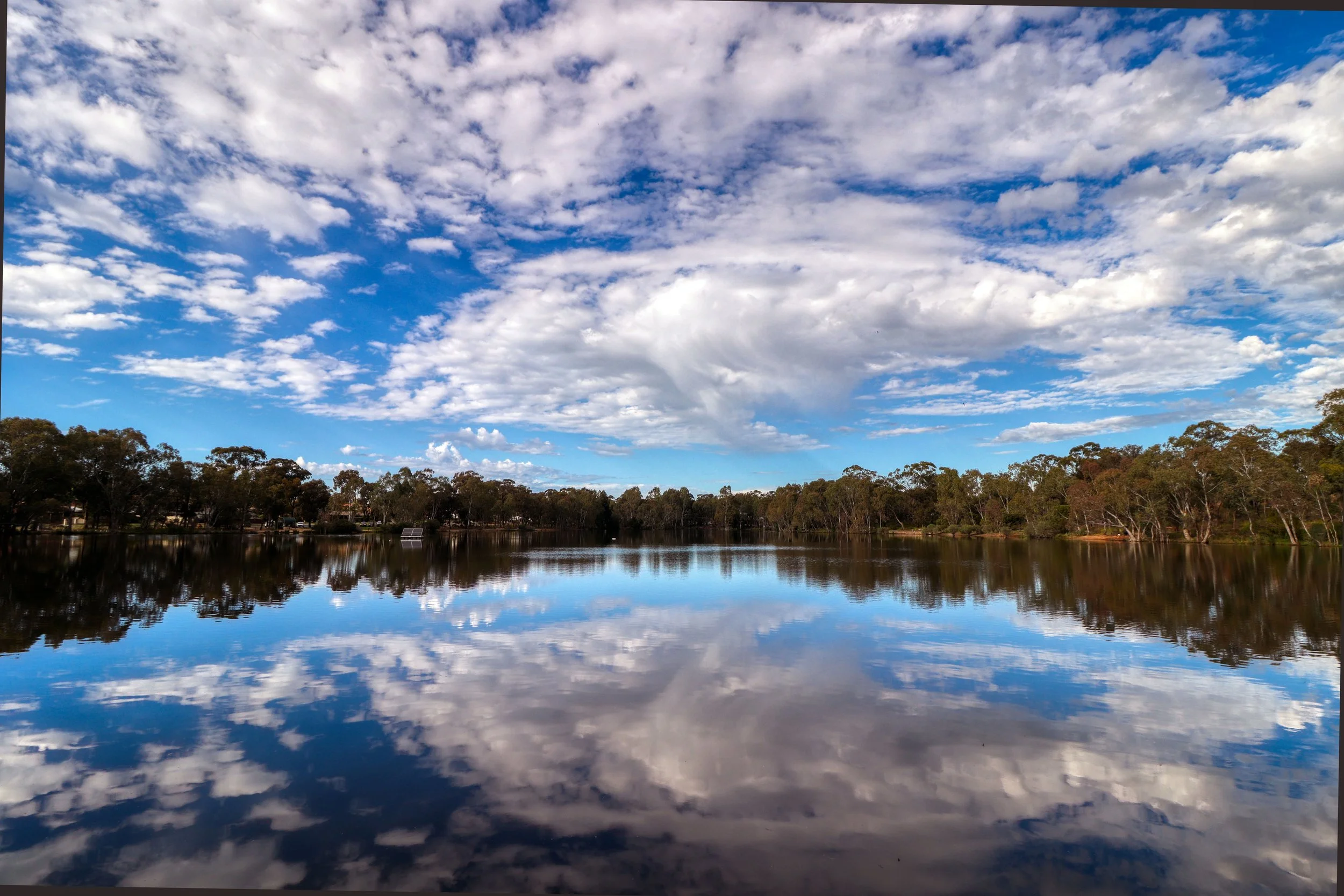
2. RESPONSIBLE RESOURCE MANAGEMENT
Through our Environmental Management System (EMS) and Environmental Aspects & Impacts Register, we monitor and manage key environmental factors, from dust and runoff to waste generation and biodiversity. Reuse and recycling of steel, aluminium, timber, and plasterboard are embedded in our project workflows, helping reduce landfill and preserve natural resources.
-
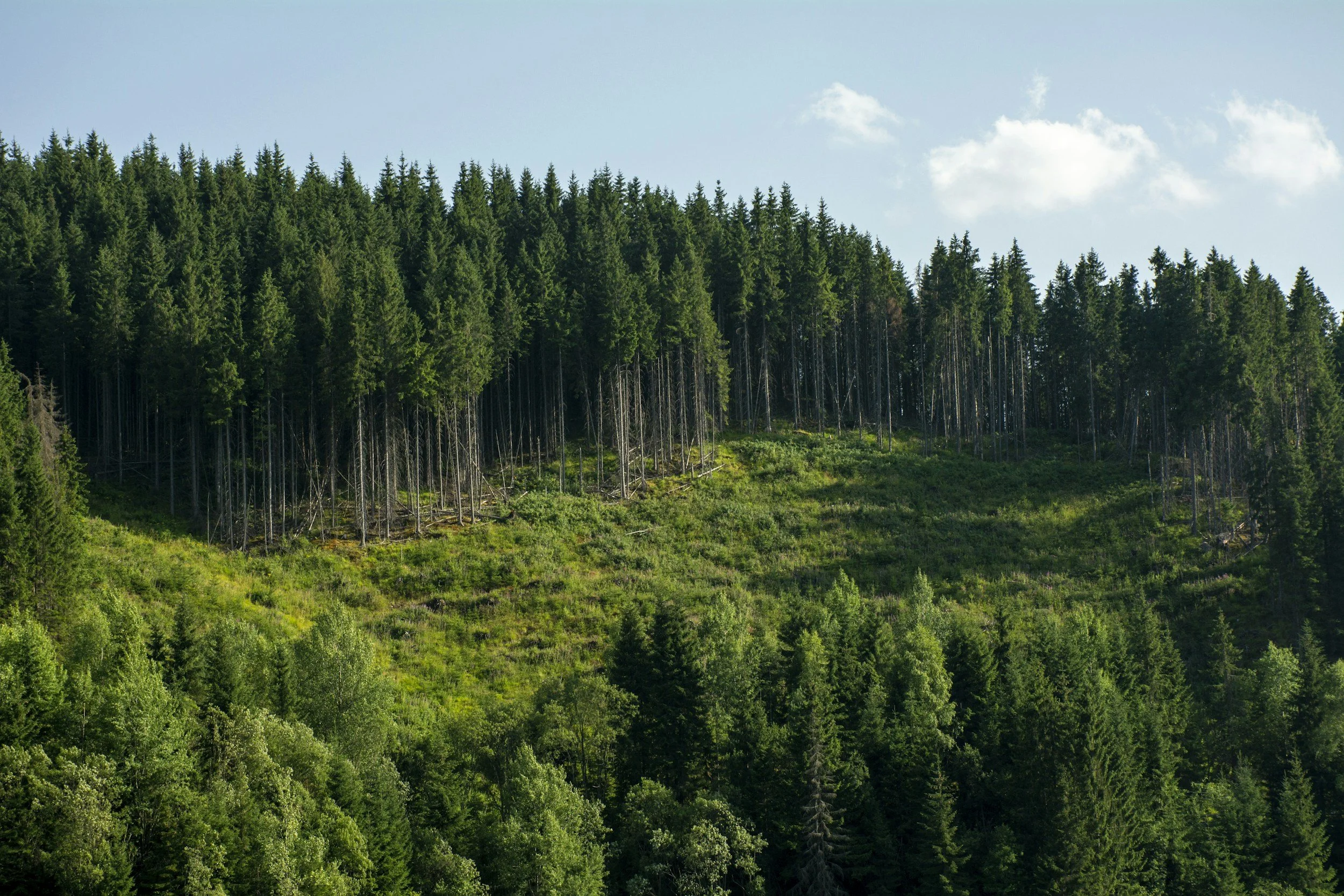
3. SUSTAINABLE PROCUREMENT
Our Sustainable Procurement Policy ensures that the materials and partners we choose reflect our environmental and social values. We prioritise suppliers with proven sustainability credentials, ethical labour standards, and transparent sourcing practices. Using tools like EC3, we actively assess the embodied carbon of materials to make informed, low-impact choices.
-
4. REGIONAL ENVIRONMENTAL STEWARDSHIP
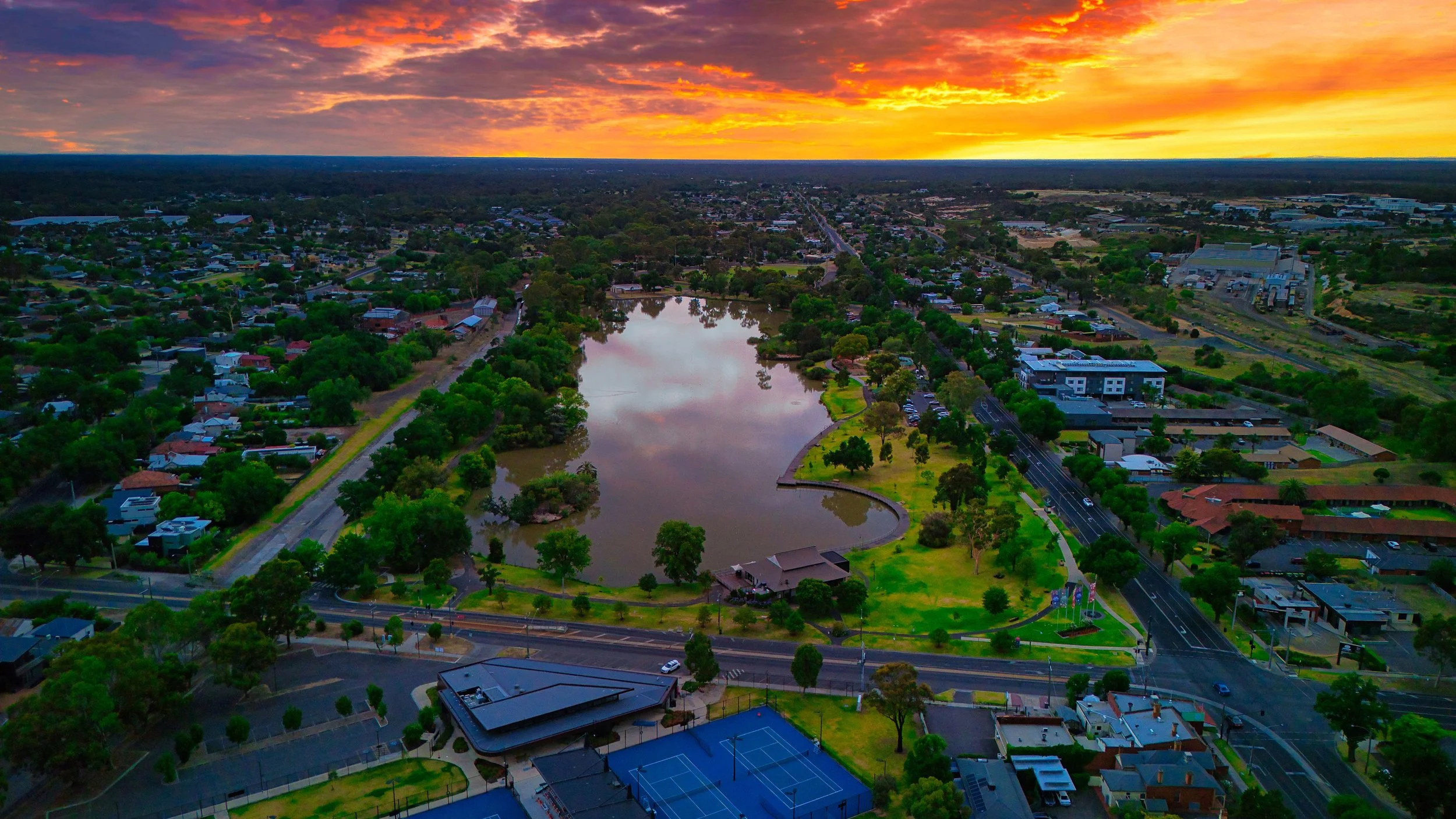
We operate with respect for the land and ecosystems that sustain regional Victoria. Informed by the Environmental Review Report 2025, we align our operations with local environmental priorities to support biodiversity, managing water responsibly, and planning projects that balance growth with conservation.
-
5. CONTINUOUS IMPROVEMENT & ACCOUNTABILITY
Through regular audits, training, and annual policy reviews, our Sustainability Committee tracks progress against KPIs, identifies new opportunities, and ensures our systems evolve with best practice and industry standards. We report transparently to clients and partners, because accountability builds trust, and trust builds a more sustainable future.
TARGETS & PROGRESS
Carbon & Energy
20% reduction in carbon emissions by 2030 across Scope 1 and 2 operations.
Transitioning to hybrid and electric vehicles within our fleet by 2028.
Increasing renewable energy use across offices and sites by 25% by 2027.
Materials & Waste
15% reduction in construction waste across all projects by 2027.
Minimum 80% recycling or reuse rate for steel, aluminium, plasterboard, and timber.
Ongoing implementation of material circularity through selective salvage, upcycling, and off-site prefabrication.
Procurement & Supply Chain
100% of key suppliers assessed under BLR’s Sustainable Procurement Policy by 2026.
Use of the EC3 tool to evaluate and select low-carbon materials in all major tenders.
Annual supplier training and performance reviews focused on sustainability outcomes.
Water & Biodiversity
Improve site water efficiency through runoff management and smart irrigation controls.
Support biodiversity by implementing native planting and habitat protection measures on eligible projects.
Governance & Accountability
Annual sustainability review and public reporting through our internal Sustainability Committee.
Ongoing staff training in sustainable construction methods and environmental compliance.
Regular audits and performance tracking through the Environmental Aspects & Impacts Register.